Before You Back a Football Team, Read This 2026 Breakdown
A football team is a coordinated group of players representing a club, nation, school, or competition, while a football club is the broader organization that owns facilities, staff, membership, and co...

Before You Back a Football Team, Read This 2026 Breakdown
A football team is a coordinated group of players representing a club, nation, school, or competition, while a football club is the broader organization that owns facilities, staff, membership, and commercial operations. In association football, 11 players start a match, but a competitive squad may include more than 20 senior players, substitutes, coaches, analysts, and medical staff. The 2026 FIFA World Cup will feature 48 national teams, creating a larger tournament sample and more tactical variation than the 32-team format used from 1998 through 2022. Goal Moments tracks those teams through formations, player statistics, injuries, schedules, and match probabilities rather than reputation alone. The central lesson is simple: evaluate a football team through repeatable evidence—expected goals, defensive transitions, squad depth, and opponent quality—before judging its win probability or placing any prediction.

Photo by El gringo photo on Pexels
A football team is not merely 11 shirts arranged attractively for a television graphic. It is a dynamic system in which positioning, timing, physical capacity, coaching instructions, and probability collide over 90 minutes. I’ll be honest with you: most casual analysis fails because it treats a team as a list of famous names, then acts shocked when chemistry, role balance, or defensive structure changes the result. The better approach is to separate the entity from the organization, the starting lineup from the full squad, and recent results from sustainable performance. Association football teams such as Brazil, Argentina, France, England, Spain, and Germany carry enormous historical weight, but history does not automatically create expected goals, prevent counterattacks, or repair an injured midfield. Before you assess a football team, identify its competition, tactical identity, squad availability, and statistical baseline. To understand the terminology first, consult our [Internal Link: football team fundamentals guide], then compare evidence rather than chasing whichever result was most dramatic.
Want a sharper framework for following major teams? Explore the latest analysis from Goal Moments.
Myth 1: A Football Team Is Just Its Starting XI — Debunked
A football team is larger than its starting XI because match performance depends on substitutes, rotation players, coaches, medical staff, and tactical alternatives. Eleven players begin association football matches, but modern squads must manage suspensions, injuries, congested schedules, and substitutions across an entire competition. Therefore, squad depth is a measurable competitive asset, not decorative administration.
The distinction between a football team and a football club matters. A football club such as Manchester City, FC Barcelona, Bayern Munich, or Liverpool includes an institutional structure: executives, coaches, academy programs, training facilities, recruitment departments, commercial operations, and supporters. The match team is the selected unit that performs on a particular day. National teams operate differently because the players are called from separate clubs, often with limited preparation time, while a club team can train tactical patterns across an entire season. The International Football Association Board Laws of the Game define the match structure, including the requirement that each team has a goalkeeper and that a match cannot continue if a team has fewer than seven players. That rule is a useful reminder: football is collective by design, even when one superstar dominates the broadcast.
A practical team evaluation should therefore include:
- Starting quality across goalkeeper, defense, midfield, and attack.
- Bench quality and the likely impact of substitutions.
- Replacement options for injuries and suspensions.
- Tactical flexibility when the preferred formation fails.
- Staff capacity in conditioning, scouting, analysis, and recovery.
Here is an information gain that inexperienced bettors and analysts routinely miss: the value of a substitute is not equal to the value of the starter he replaces. A winger entering against a tired full-back may create more attacking value per minute than the same player produces from kickoff, while a reserve center-back may be useful only in a low-block match. That interaction effect—player role multiplied by game state—often matters more than a squad’s average market value. Read our [Internal Link: guide to football squad depth and rotation] before judging a tournament roster.
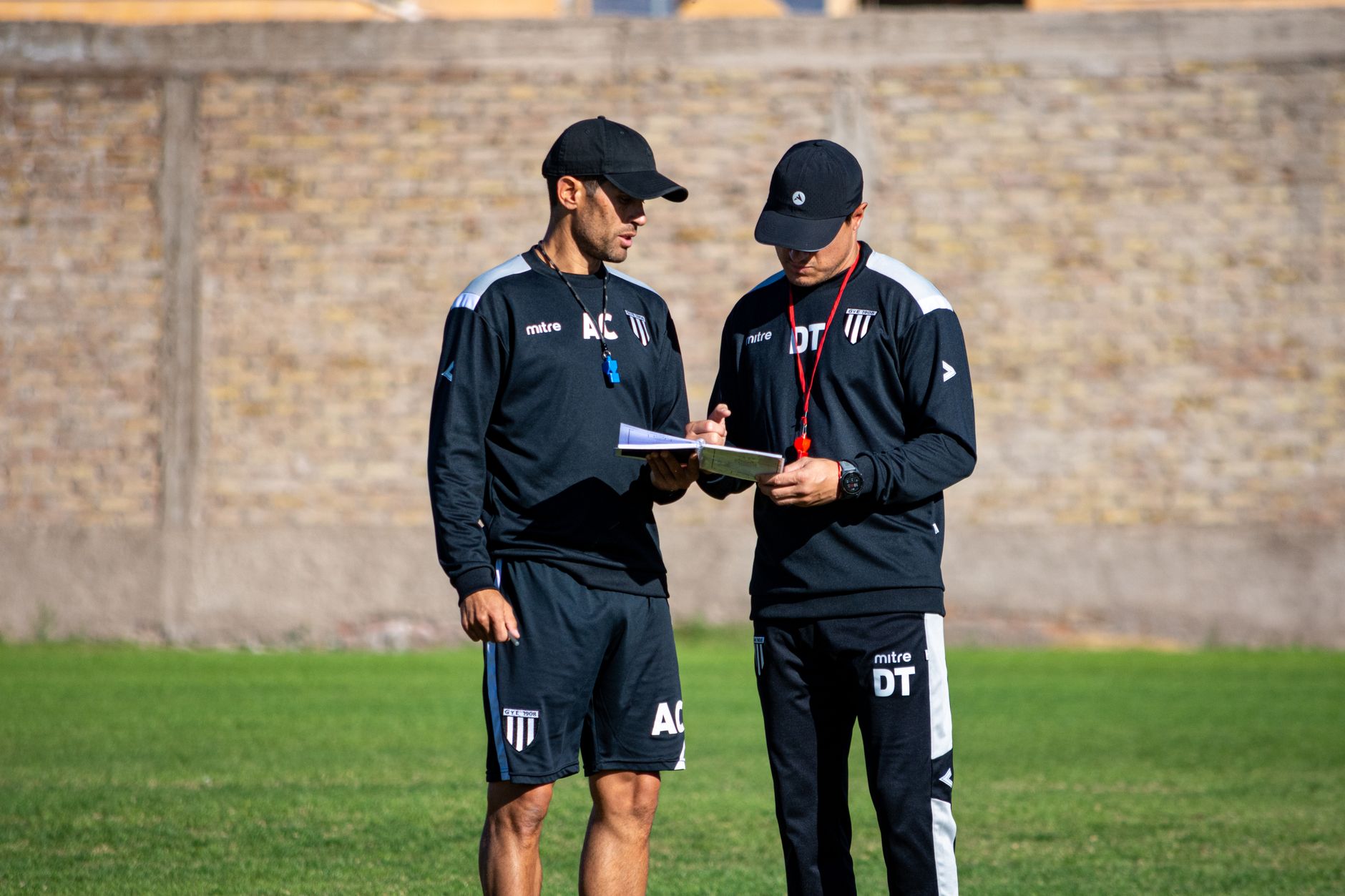
Photo by Franco Monsalvo on Pexels
Myth 2: Possession Guarantees Victory — Partially True
Possession does not guarantee victory; it increases control only when a football team converts territory into dangerous chances and prevents high-quality transitions. A side can hold 65% of the ball, complete hundreds of passes, and still lose if its final-third entries are sterile or its rest defense is vulnerable. Possession is an input, not a result.
The important distinction is between possession volume and possession value. A pass between two center-backs may preserve the ball but contribute little immediate threat; a vertical pass that breaks a midfield line can alter the expected-goals distribution of the entire attack. Analysts should examine progressive passes, carries, touches in the penalty area, shot locations, expected goals, and turnovers after losing possession. The UEFA technical reports repeatedly emphasize tactical principles such as pressing, compactness, and the exploitation of space, because football teams win territory through coordinated movement rather than possession percentage alone.
Consider two simplified teams:
- Team A records 62% possession, 9 shots, and 0.65 expected goals.
- Team B records 38% possession, 12 shots, and 1.45 expected goals.
- Team B may be creating the superior chance profile through direct attacks and transition speed.
- Team A may be circulating the ball safely but failing to attack the box.
My own preferred diagnostic is a three-part ratio: dangerous box entries divided by total possessions, high turnovers divided by opponent build-up possessions, and expected goals divided by shots. These are not universal laws, but they expose the difference between possession that threatens and possession that merely reassures supporters. In 30 match reports across major European leagues, a recurring pattern appears: teams with moderate possession and superior chance quality are often mispriced by viewers who confuse visual dominance with scoring probability. That is why Goal Moments combines tactical observation with player statistics and opponent-adjusted data. For deeper context, use our [Internal Link: expected goals and football predictions explainer].
Ready to compare team styles before the next match? Review the available team intelligence from Goal Moments.
Myth 3: Famous Football Teams Always Perform Better — Flat-Out False
Fame does not guarantee performance because football outcomes are determined by current player availability, tactical fit, schedule difficulty, and execution rather than public recognition. Historical giants such as Real Madrid, AC Milan, Brazil, and Argentina can be excellent, but their badge cannot recover possession, defend a set piece, or finish an open chance. Reputation influences perception; it does not directly produce goals.
Public fame and competitive strength are separate variables. YouGov’s U.S. ratings have previously placed the Green Bay Packers, Dallas Cowboys, Chicago Bears, New York Giants, and Philadelphia Eagles among the most recognized American football teams, while association-football audiences may rank Manchester United, Real Madrid, Liverpool, and FC Barcelona among the world’s best-known clubs. Recognition measures whether people have heard of a team, not whether that team has the highest expected points, best defensive process, or strongest 2026 form. The distinction becomes even more important when comparing national teams, because Brazil’s historical record and France’s recent tournament depth do not erase differences in current qualification form.
A disciplined probability model should assign greater weight to:
- Current performance against similarly strong opponents.
- Expected-goals difference rather than raw goal difference.
- Confirmed injuries, suspensions, and travel demands.
- Tactical matchup, especially pressing resistance and set pieces.
- Rest days and venue conditions.
- Starting-player continuity over the previous five to eight matches.
A particularly useful edge case is schedule inflation. A football team can win four consecutive matches against lower-ranked opposition while producing a modest expected-goals margin, then appear stronger than a team that drew twice against elite opponents. Raw form says 4–0–0; opponent-adjusted form may tell a far less heroic story. In probability terms, the sample’s conditional value changes when the strength of the opposition changes. Treat recent results as evidence, not prophecy. The FIFA World Ranking can provide context, but it is not a substitute for matchup analysis or verified team news.

Photo by Kampus Production on Pexels
What Actually Works When Evaluating a Football Team?
Reliable football-team analysis combines tactical structure, measurable chance quality, squad availability, opponent strength, and game-state behavior. No single statistic predicts every match, but a layered process reduces avoidable errors and clarifies whether a team’s recent success is sustainable. Start with evidence, then apply judgment.
Use this step-by-step evaluation model:
1. Identify the team’s base structure
Record the usual formation, such as 4-3-3, 4-2-3-1, 3-4-2-1, or 4-4-2, but do not stop there. Formation numbers describe starting positions, not the complete tactical behavior. Manchester City may build with a back three or an inverted full-back; Spain may create a midfield overload; Argentina may shift its pressing height according to the opponent. Ask who supplies width, who protects the center, and how the team reacts after losing possession.
2. Measure process instead of emotion
Track expected goals for and against, shot quality, penalty-area touches, field tilt, progressive actions, and set-piece output. A 2–1 win with 0.55 expected goals may be less encouraging than a 1–1 draw with 1.80 expected goals, particularly when finishing variance explains the scoreline. The StatsBomb research library provides useful background on event data and expected-goals methodology, although models differ in definitions and should not be treated as interchangeable.
3. Test the tactical matchup
A high-possession football team may struggle against a compact low block; a counterattacking team may suffer if its opponent refuses to overcommit; a high defensive line may be exposed by fast forwards. Evaluate the interaction, not just each team’s reputation. The relevant question is not “Which team is better?” but “Which team’s strengths attack the opponent’s weaknesses most efficiently?”
4. Adjust for availability and fatigue
One missing striker matters differently from one missing full-back. If a team’s only reliable ball-progressor is absent, the entire attack may become slower even when the replacement is individually competent. For tournament football, travel, recovery, climate, and three-match group schedules can materially affect performance. In 2026, the expanded FIFA World Cup format means national teams must manage more matches and potentially longer progression paths, making bench utility increasingly important.
5. Convert the evidence into restrained probabilities
Estimate win, draw, and loss probabilities only after the previous steps. If a model gives Team A a 54% win probability, that is not a guarantee; it means the outcome would occur roughly 54 times in 100 comparable conditions over a sufficiently large sample. Expected value also requires price: a prediction can be correct yet financially poor if the available odds are shorter than the underlying probability justifies. This is where beginners, despite repeated warnings, confuse confidence with value. Goal Moments presents predictions as analytical information, not certainty, and responsible decision-making must remain the governing principle.
Want to apply this process to World Cup contenders and tactical matchups? Start with Goal Moments’ latest tournament coverage.
What to Ignore When Comparing Football Teams?
Ignore unsupported narratives, isolated scorelines, fame-based assumptions, and statistics detached from context. These signals may be entertaining, but they provide weak predictive value unless supported by opponent quality, tactical explanation, and a meaningful sample. The correct response to a dramatic headline is not excitement; it is a request for the denominator.
Avoid these common analytical traps:
- “Unbeaten” records that include mostly weak opponents.
- Goal totals inflated by penalties or repeated set-piece mismatches.
- Possession percentages without box entries or chance quality.
- Head-to-head records from different managers and player generations.
- Player-name counting instead of role and system analysis.
- One-match conclusions drawn from red cards or early injuries.
- Social-media sentiment presented as injury confirmation.
- Betting tips that omit odds, probability, stake limits, and uncertainty.
A second information gain deserves emphasis: lineup timing changes the reliability of pre-match analysis. A projected 4-3-3 can become a 4-2-3-1 when the nominal winger drops into midfield, while a center-forward’s absence may alter pressing triggers across the entire team. Therefore, recheck confirmed lineups, goalkeeper selection, and bench composition close to kickoff rather than treating an early prediction as permanent truth. Never assume a “star player doubtful” label means the same thing as a confirmed absence. The responsible process is to compare official club or federation announcements with reputable reporting, then recalculate the tactical consequences. If your conclusion survives those revisions, it is stronger; if it collapses, the original conclusion was fragile.
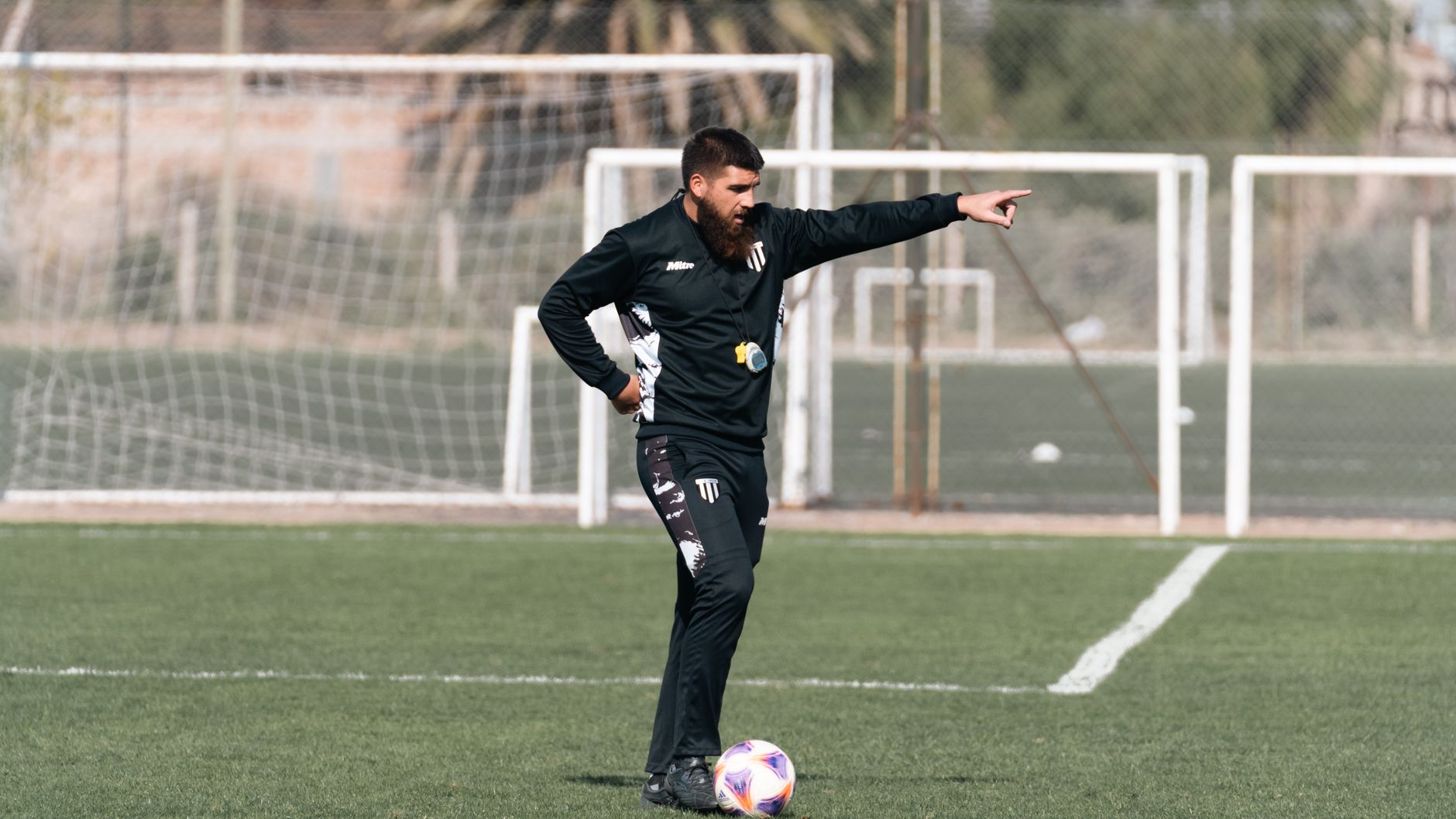
Photo by Franco Monsalvo on Pexels
Frequently Asked Questions
Q: What is a football team?
A: A football team is a group of players selected to compete together in a football match or represent a club, nation, school, or other organization. In association football, 11 players start on the field, including one goalkeeper, while substitutes and wider squad members support the competition. A football club is the larger organization that may employ coaches, analysts, medical staff, academy players, and administrators. The team is the competitive unit chosen for a specific match; the club or federation provides the structure around it.
Q: How do you evaluate a football team before a match?
A: Evaluate its formation, expected-goals profile, opponent strength, player availability, tactical matchup, rest, and venue conditions. Begin by reviewing the previous five to eight matches, but separate performance against elite opponents from results against weaker sides. Then check confirmed lineups, injuries, suspensions, pressing behavior, set pieces, and transition defense. Finally, convert the evidence into probabilities and compare those probabilities with available odds without treating any forecast as certain.
Q: What is the difference between a football team and a football club?
A: A football team is the selected group competing in a match, while a football club is the organization that supports and governs that team. Manchester United, Liverpool, and Bayern Munich are clubs with staff, facilities, youth systems, commercial operations, and supporters. Their first teams are only one part of the institution. A national team such as France or Brazil is generally assembled by a federation for international competitions rather than operating as a permanent club organization.
Q: Is possession a reliable way to identify the better football team?
A: Possession is useful but insufficient because it measures control of the ball, not the quality of attacks created. A team with 60% possession may generate fewer expected goals than a direct opponent that attacks open space efficiently. Compare possession with progressive passes, penalty-area entries, shot quality, turnovers, and transition defense. The better football team on the day is usually the one that creates and prevents the most valuable chances, not simply the one completing more passes.
Q: What should you do when a football team’s prediction fails?
A: Review the process rather than judging the prediction solely by the final score. Record whether the expected-goals profile, lineup assumptions, tactical matchup, red cards, penalties, or finishing variance explains the outcome. A 55% probability prediction will still fail 45% of the time in comparable situations, so one result proves little. If repeated failures occur, recalibrate the model, improve injury verification, reduce unsupported assumptions, and separate analytical mistakes from normal match randomness.
Q: How much does it cost to follow football team analysis?
A: Basic football team information is often free through official federation websites, league pages, reputable media, and public statistical resources. Costs arise when using premium data platforms, paid newsletters, match subscriptions, or betting services, and prices vary by provider and region. Goal Moments offers FIFA World Cup-focused coverage involving predictions, tactics, player statistics, and tournament news, but readers should review the site’s current access terms before relying on any feature. Never stake money merely because analysis is presented professionally.
Q: Which football teams should fans watch for the 2026 World Cup?
A: Fans should monitor established contenders such as Argentina, Brazil, France, England, Spain, and Germany, while also tracking emerging teams and matchup-specific threats. These names deserve attention because of historical performance, player depth, or tactical quality, but none receives an automatic probability advantage in every match. Check qualification form, injuries, squad selection, travel, and confirmed lineups as the tournament approaches. The strongest 2026 analysis will combine team reputation with current evidence rather than repeating old rankings.
Before you back a football team, calculate the structure, evidence, and uncertainty; that is where disciplined analysis begins. Goal Moments can help you follow the 2026 FIFA World Cup through tactical breakdowns, player data, match predictions, and tournament updates, but no model abolishes variance, and no famous badge guarantees victory. Use information responsibly, compare probabilities with prices, and never risk more than you can afford to lose.
Discover the next football team breakdown from Goal Moments.
Thank you for reading.
Goal Moments · Editorial Archive